U.S. Military Is Quietly Guiding Ships Through the Strait of Hormuz
U.S. Central Command has helped around 70 commercial ships pass through the strait in the last three weeks, an official said.
Posted June 1, 2026 3:45AM ET
In a strategic move that underscores its commitment to maintaining peace and security in key maritime corridors, the U.S. military has been actively guiding ships through the Strait of Hormuz. This vital waterway, which connects the Persian Gulf with the Gulf of Oman, is a crucial passage for global oil shipments and trade.
The presence of U.S. military forces in the region aims to deter potential threats and ensure safe passage for commercial vessels. As tensions in the area continue to fluctuate, this quiet yet significant operation serves as a reminder of the military’s role in safeguarding international waters.
Navigating the Strait of Hormuz requires not only military oversight but also collaboration with allied nations to promote stability. The U.S. Navy’s efforts are part of a broader strategy to foster trust and cooperation among maritime partners, highlighting the importance of a united front in addressing security challenges that may arise in this pivotal region.
As we keep a close eye on developments in the Strait of Hormuz, the U.S. military’s proactive approach remains critical in upholding the freedom of navigation and protecting vital trade routes essential to the global economy.
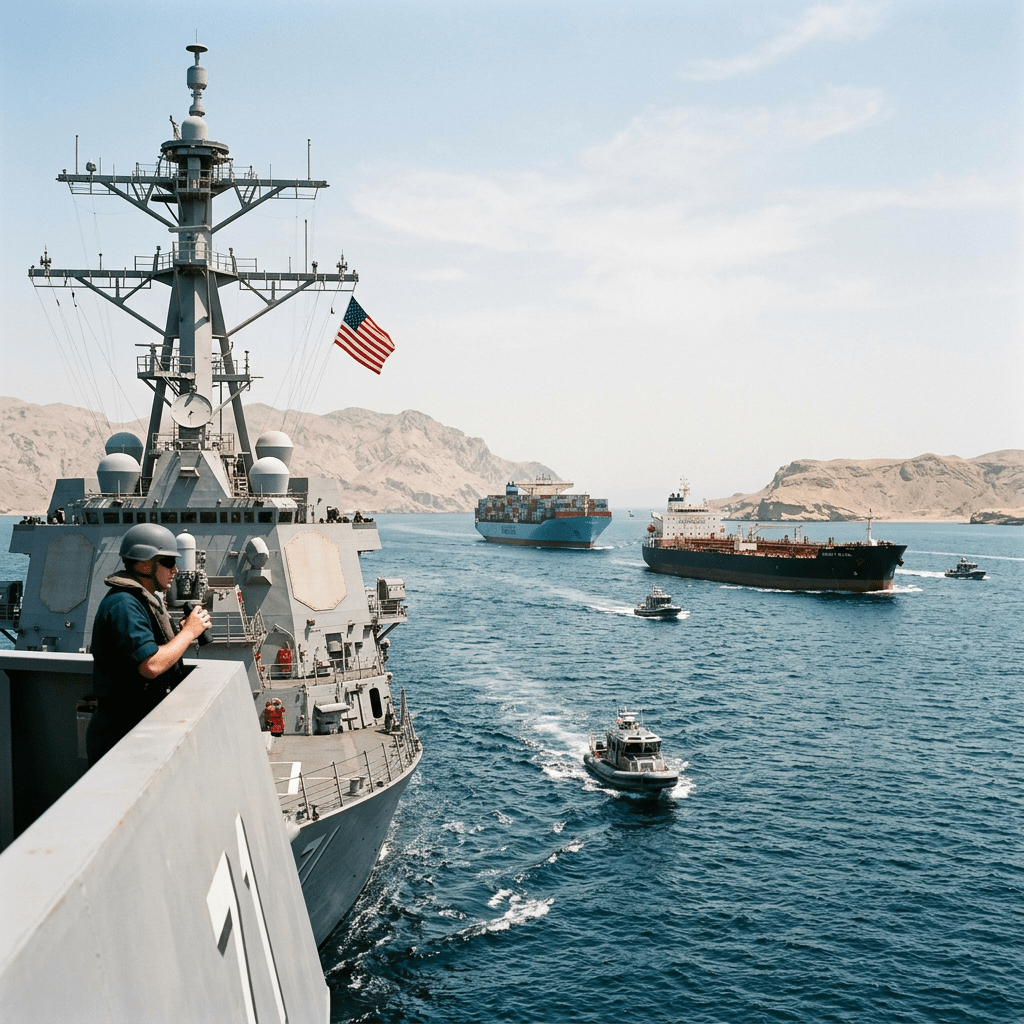
In a strategic effort to maintain peace and security in key maritime corridors, the U.S. military has been actively guiding commercial ships through the Strait of Hormuz. Recently, U.S. Central Command reported that it has assisted approximately 70 commercial vessels in navigating this vital waterway over the past three weeks. This operation underscores the military’s commitment to ensuring safe passage for global trade
The Importance of the Strait of Hormuz
The Strait of Hormuz is a crucial passage that connects the Persian Gulf with the Gulf of Oman. It serves as a key corridor for oil shipments and international trade, making it one of the world’s most strategically significant waterways. A large percentage of the world’s oil supply passes through this strait, making security in the region paramount for the global economy.
Military Presence and Its Purpose
The U.S. military’s presence in the area aims to deter potential threats and protect commercial vessels from escalating tensions in the region. By actively guiding vessels through the strait, U.S. forces seek to ensure that maritime operations can occur without interference, thereby fostering a sense of security among commercial shipping companies.
As tensions in the area fluctuate, the operation serves as a reminder of the military’s role in safeguarding international waters. The quiet yet significant support of the U.S. Navy is crucial for upholding the principles of freedom of navigation, which are essential for global trade.
Collaborative Efforts with Allied Nations
Navigating the Strait of Hormuz requires not only military oversight but also collaboration with allied nations. The U.S. Navy’s operations are part of a broader strategy aimed at fostering trust and cooperation among maritime partners. By working together, countries can create a united front to address the security challenges that may arise in such a pivotal region.
The U.S. military’s proactive approach highlights the importance of collaboration in maintaining maritime security. Joint exercises, shared intelligence, and coordinated responses to incidents contribute to a robust defensive posture in the area.
Conclusion
As developments continue to unfold in the Strait of Hormuz, the U.S. military’s efforts in quietly guiding commercial ships underscore the critical nature of maintaining safe passages in this vital waterway. By promoting stability and cooperation, the U.S. military plays an essential role in protecting trade routes that are indispensable to the global economy. The ongoing commitment to ensuring freedom of navigation remains a priority as the international community navigates the complexities of maritime security in the region.
Read more via New York Times
 Media Air Base, LLC
Leave a comment