Americans Are Falling Behind on Their $1.25 Trillion Credit-Card Bill
Soaring interest rates and stubborn inflation have led to highest delinquencies since the financial crisis; ‘a pattern of survival debt’
Posted June 1, 2026 3:35AM ET
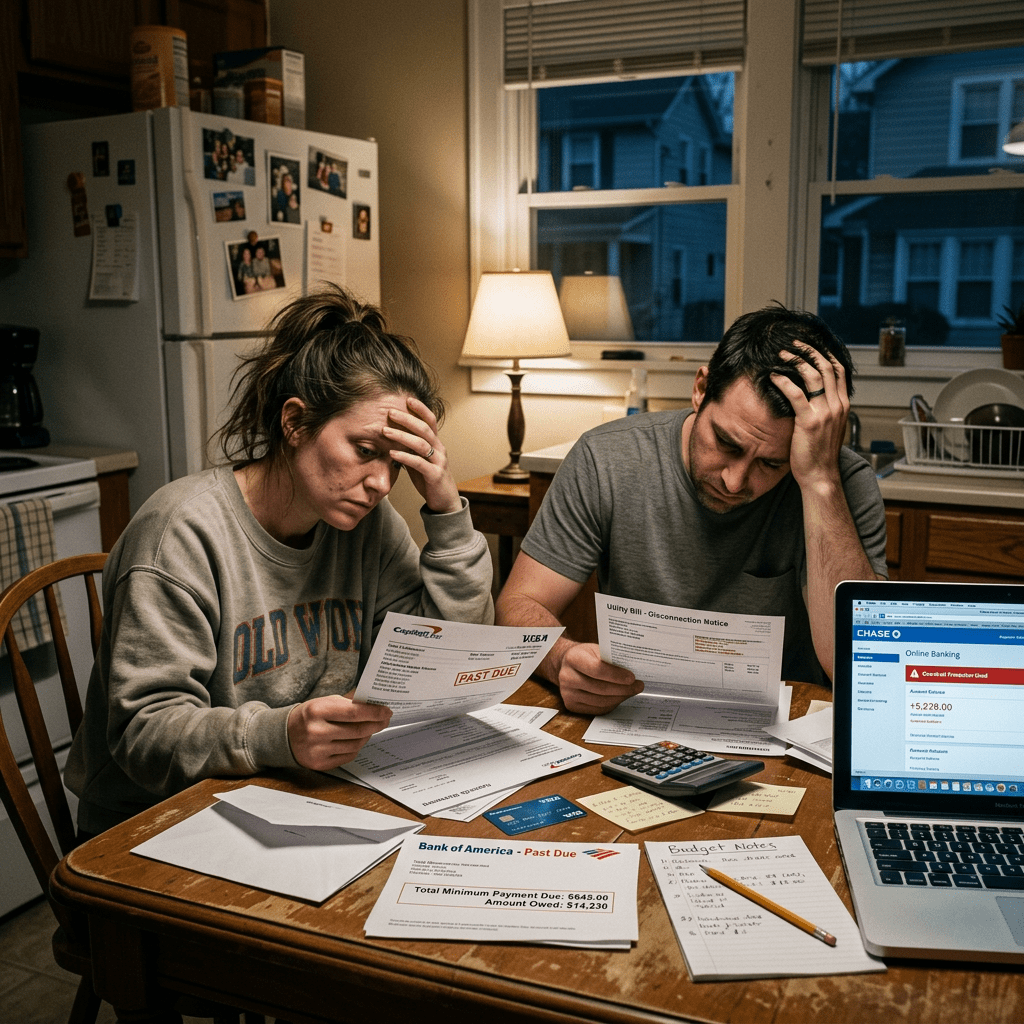
The Growing Burden of Credit Card Debt in America
As consumers navigate the complexities of modern finance, a troubling trend has emerged: Americans are falling behind on their credit card payments, contributing to a staggering $1.25 trillion in credit card debt. This surge in outstanding balances reflects not only the rising cost of living but also changing consumer spending habits in the wake of economic uncertainties.
With inflation continuing to pressure household budgets, many individuals find themselves relying more heavily on credit cards to cover everyday expenses. Unfortunately, this reliance can lead to financial strain and an increased risk of default. As late payments rise, the implications extend beyond individual finances—they can affect credit scores, borrowing potential, and even the health of the broader economy.
It’s crucial for consumers to stay informed about their spending and develop strategies for managing credit card debt effectively. By prioritizing payments and exploring debt repayment options, Americans can work towards alleviating this growing financial burden and regain control of their financial future.
As the economic landscape continues to shift amidst soaring interest rates and persistent inflation, a troubling reality has begun to surface: Americans are increasingly falling behind on their credit card payments. The figures are staggering, with total credit card debt reaching a staggering $1.25 trillion. This alarming trend paints a picture of financial unease in the lives of many consumers.
The Impact of Economic Pressures
The root causes of this growing problem can largely be traced back to rising living costs and changing consumer behaviors. Inflation has begun to tighten its grip on household budgets, compelling individuals to rely more heavily on credit cards to make ends meet. This dependency, while sometimes a necessary stopgap, can also pave the way for increased financial strain. As credit card balances swell and payments become late, consumers find themselves caught in a cycle of debt.
A Rising Tide of Delinquencies
The delinquencies related to credit card payments have surged to their highest levels since the financial crisis of 2008. The term ‘survival debt’ aptly describes the situation many Americans face today, as they juggle immediate financial needs against the backdrop of an uncertain economic environment. Late payments not only jeopardize personal credit scores but also curtail borrowing potential, making it more challenging for individuals to secure loans or mortgages in the future.
Navigating the Path Forward
In light of these challenges, it is crucial for consumers to take proactive steps in managing their finances. Here are several strategies that can help:
- Budget Management: Establishing a clear budget can help track expenses and identify areas where cuts can be made.
- Prioritizing Payments: With multiple debts, prioritizing which bills to pay first can help minimize late fees and penalties.
- Exploring Debt Repayment Options: Seeking options such as debt consolidation or working with credit counseling services can provide pathways to more manageable debt levels.
- Staying Informed: Keeping up-to-date with interest rates and understanding how they affect credit card payments is vital in making informed financial decisions.
- Learning Financial Literacy: Improving financial literacy through courses or workshops can empower individuals to handle their finances with greater confidence and effectiveness.
Now what?
The growing burden of credit card debt among Americans is a complex issue shaped by economic realities and consumer choices. As the situation evolves, it is essential for individuals to be aware of their spending habits and actively seek solutions to mitigate debt. By taking control of their finances, consumers can work towards alleviating the pressure of their credit card bills and ultimately regain a sense of financial stability.
Read more via Wall Street Journal
 Media Air Base, LLC
Leave a comment