Government spending and inflation are sending long-term yields higher across the developed world. Will the 30-year Treasury yield 6% in a year?
Posted May 26, 2026 4:37AM ET
Bond Yields Are Nearing the Danger Zone
As we navigate the intricacies of the financial market, one trend has captured the attention of investors: bond yields are approaching what many analysts refer to as the “danger zone.” This term reflects a potential shift in market dynamics that could have significant implications for both individual investors and the broader economy.
In recent months, rising bond yields have indicated an increase in borrowing costs, which could pressure corporations and consumers alike. Higher yields can lead to a rise in interest rates, affecting everything from mortgages to business loans. For investors, this environment means reassessing portfolios, as the risk-return balance may tip unfavorably.
Moreover, a spike in bond yields often points to inflationary pressures, which can erode purchasing power. If inflation rates outpace the returns on bonds, investors might find themselves locked in less profitable investments at a time when liquidity and flexibility are crucial.
As the situation unfolds, it’s essential for investors to stay informed and consider strategic adjustments to their asset allocations. Understanding the implications of rising bond yields will be key in navigating the potential risks ahead.
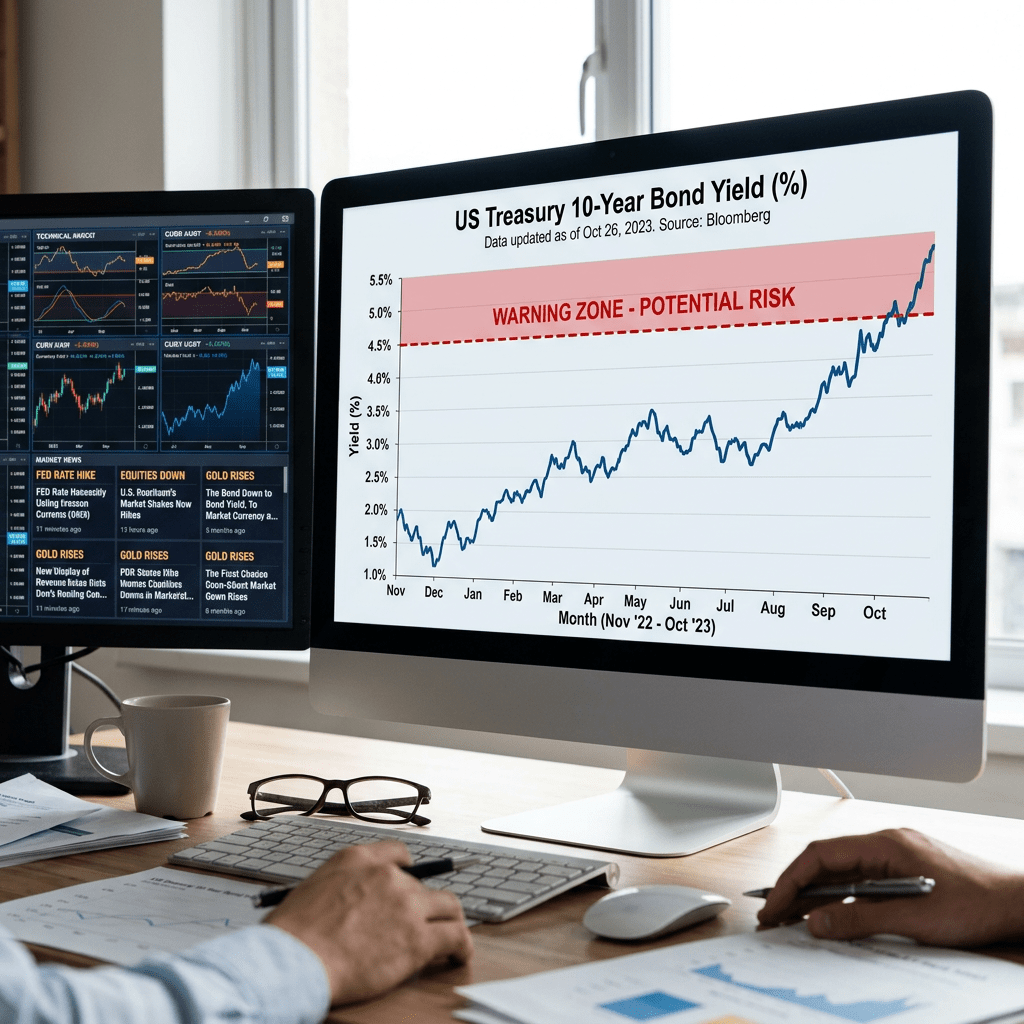
Bond Yields Are Nearing the Danger Zone
As government spending escalates and inflation continues to rise, long-term bond yields across the developed world are climbing, raising concerns among investors and economists alike. The question now looming over the market is whether the 30-year Treasury yield will hit 6% within a year.
Understanding Bond Yields
Bond yields represent the return an investor can expect to earn from a bond, which inversely correlates with bond prices. When yields rise, it generally indicates that investors are demanding higher returns for holding bonds, often because they anticipate inflation or increased risk. Currently, the financial landscape is witnessing a notable uptick in these yields, prompting many to refer to this trend as entering the “danger zone.”
The Impact of Government Spending and Inflation
In recent years, significant government spending aimed at stimulating the economy has been a double-edged sword. While it has provided short-term relief to businesses and individuals, it is also contributing to increasing levels of debt and, importantly, inflation. Higher spending typically leads to higher demand for goods and services, which can push prices up.
Coupled with this, inflation itself erodes purchasing power, making it essential for bond yields to keep pace. When inflation outstrips the returns on bonds, the attractiveness of these instruments diminishes, leading to rising yields as investors seek better options for their capital.
The Implications of Rising Yields
The increase in bond yields carries significant implications for both consumers and corporations. As borrowing costs rise, it may lead to higher interest rates, which can affect a range of financial products from mortgages to business loans. For consumers, this can mean higher monthly payments and dampened purchasing power. For businesses, increased costs can impact profitability and growth potential.
Investors are now at a crossroads, needing to reassess their portfolios in light of these changing dynamics. The risk-return balance is shifting, and what may have seemed like secure investments may now pose greater risks than previously calculated.
Strategic Adjustments for Investors
As investors navigate this evolving landscape, it is crucial to stay informed about market conditions and the potential risks associated with rising bond yields. Adjusting asset allocations to include more flexible investment vehicles could be a prudent strategy. This might involve diversifying into sectors less sensitive to interest rate changes or seeking out inflation-linked investment options.
Conclusion
The current trajectory of bond yields suggests that we may be on the brink of significant market adjustments. With government spending and inflation driving long-term yields higher across the developed world, the prospect of the 30-year Treasury yield reaching 6% is a possibility that investors cannot ignore. Staying informed and adaptable will be vital as these developments unfold, giving individuals and corporations the tools they need to navigate the challenges ahead.
A detailed graph shows the increasing yield of US 10-year Treasury bonds entering a potential risk zone.
Read more via Barron’s
 Media Air Base, LLC
Leave a comment