The biggest political group in the European Union’s parliament is considering pushing for carbon market changes to safeguard the region’s industrial competitiveness and curb excessive price swings.
Posted June 18, 2026 3:58 AM ET
Top EU Party Advocates for Changes in Carbon Market to Safeguard Industries
In recent developments, a prominent political party in the European Union has called for significant reforms to the carbon market, emphasizing the need to protect local industries from the impacts of climate change policies. As Europe strides toward ambitious climate goals, concerns have been raised about the potential economic repercussions for businesses, especially in energy-intensive sectors.
The party strongly believes that while environmental sustainability is crucial, there must be a balanced approach that also considers the competitive landscape for European industries. They argue that changes to the carbon market could level the playing field, ensuring that local companies are not unduly burdened while still committing to reducing emissions.
This stance not only reflects the party’s dedication to industrial growth but also opens the floor for broader discussions on how to effectively transition to a greener economy without sacrificing economic stability. As the EU continues to navigate the challenges of climate policy, the call for reforms presents a pivotal moment for balancing environmental progress and industrial protection.
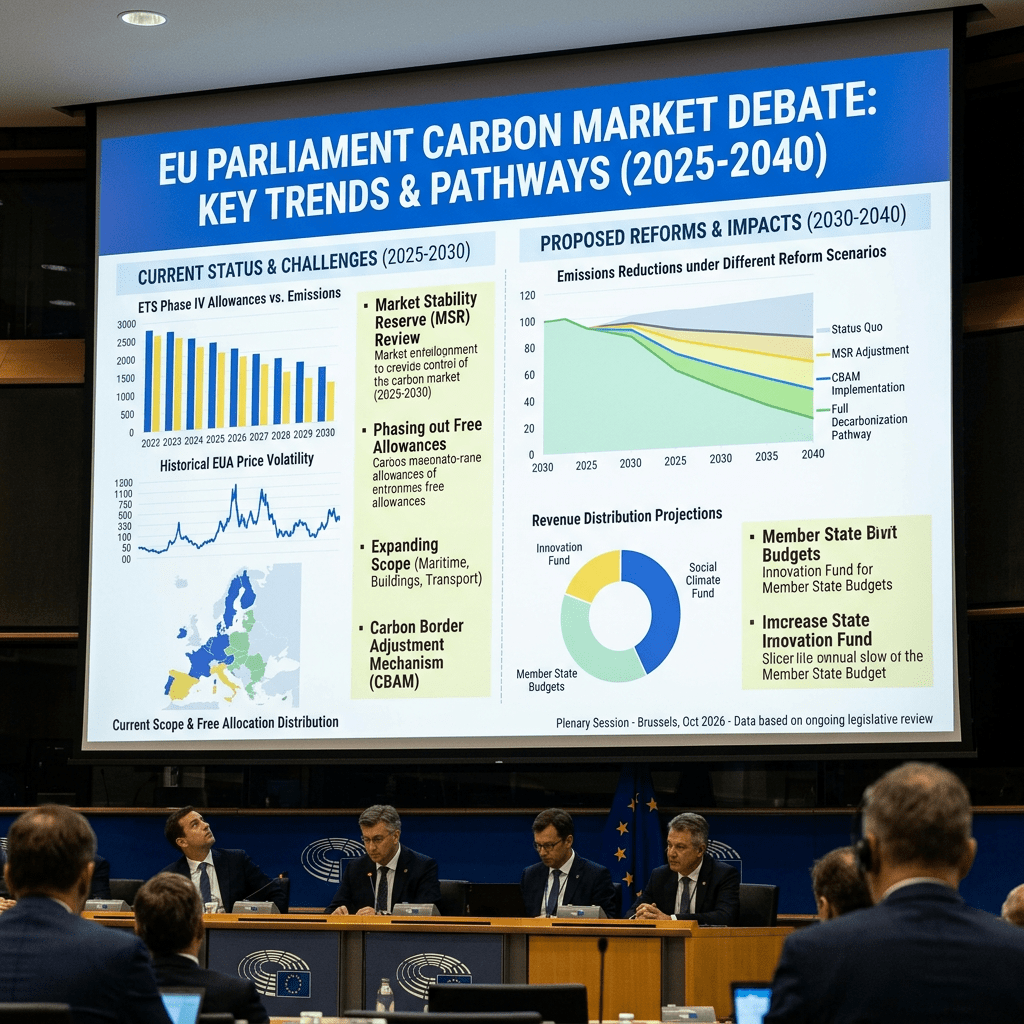
The Drive for Carbon Market Reforms in the EU: Safeguarding Industrial Competitiveness
In a significant development within the European Union (EU), the largest political group in the EU parliament is advocating for crucial reforms to the carbon market. This push aims to protect the region’s industrial competitiveness while addressing concerns over excessive price volatility. As the EU commits to stringent climate goals, the proposed changes seek to strike a balance between environmental responsibilities and economic realities.
The Carbon Market Landscape
The EU’s carbon market, established as a core mechanism for reducing greenhouse gas emissions, has been pivotal in the bloc’s fight against climate change. It operates on a cap-and-trade system, where companies are allocated a certain number of emission allowances. If they exceed their limits, they must purchase additional allowances, effectively putting a price on carbon emissions. While the system promotes environmental sustainability, it has also led to concerns regarding its impact on industries that are heavily reliant on energy and may struggle under rising costs.
Concerns for Local Industries
The political group advocating for these reforms emphasizes the importance of protecting local industries from the unintended consequences of climate policies. Energy-intensive sectors, such as manufacturing and chemicals, face unique challenges in adapting to the carbon market’s fluctuations. As prices for carbon allowances can swing dramatically, the financial pressures on these businesses can hinder their competitiveness on a global scale.
Calls for a Balanced Approach
The party’s leadership has articulated that while achieving environmental goals is essential, there needs to be a balanced approach that considers the economic landscape. They argue that modifications to the carbon market could help level the playing field, allowing European companies to remain competitive without compromising their commitments to reducing emissions. This perspective acknowledges the delicate interplay between economic stability and environmental sustainability.
A Pivotal Moment for EU Climate Policy
As the EU continues to grapple with the intricacies of climate policy, the call for reforms stands as a crucial moment for shaping the future of the carbon market. The proposed changes open avenues for broader discussions on how to effectively transition to a greener economy while ensuring robust support for local industries. Striking this balance is vital not only for maintaining economic stability but also for fostering an environment where sustainable practices can thrive alongside industrial growth.
The ongoing parliamentary discussions promise to further illuminate the dynamics at play within the EU carbon market. As stakeholders deliberate on potential reforms, the focus remains on fostering a sustainable economic environment where both industrial competitiveness and environmental stewardship can coexist harmoniously.
Read more via Bloomberg
 Media Air Base, LLC
Leave a comment