The U.S. national debt is climbing at a rapid pace and has shown no signs of slowing down in 2026 despite the growing criticism of massive levels of government spending.
Posted June 18, 2026 3:50AM EST
Understanding the National Debt: What It Means for You
As of June 17, 2026, the national debt has reached an astonishing $39,289,865,167,568.98. This figure signifies more than just a number; it represents a weighty responsibility that falls on the shoulders of American taxpayers.
Every citizen indirectly contributes to this debt, and understanding its implications is crucial for the financial future of our nation. From social services to infrastructure, the effects of national debt can influence a wide range of public programs that we rely on daily.
It’s essential to remain informed about our country’s financial standing and engage in discussions about fiscal policies. By doing so, we can contribute to a more sustainable economic future and hold our leaders accountable for managing this ever-growing debt.
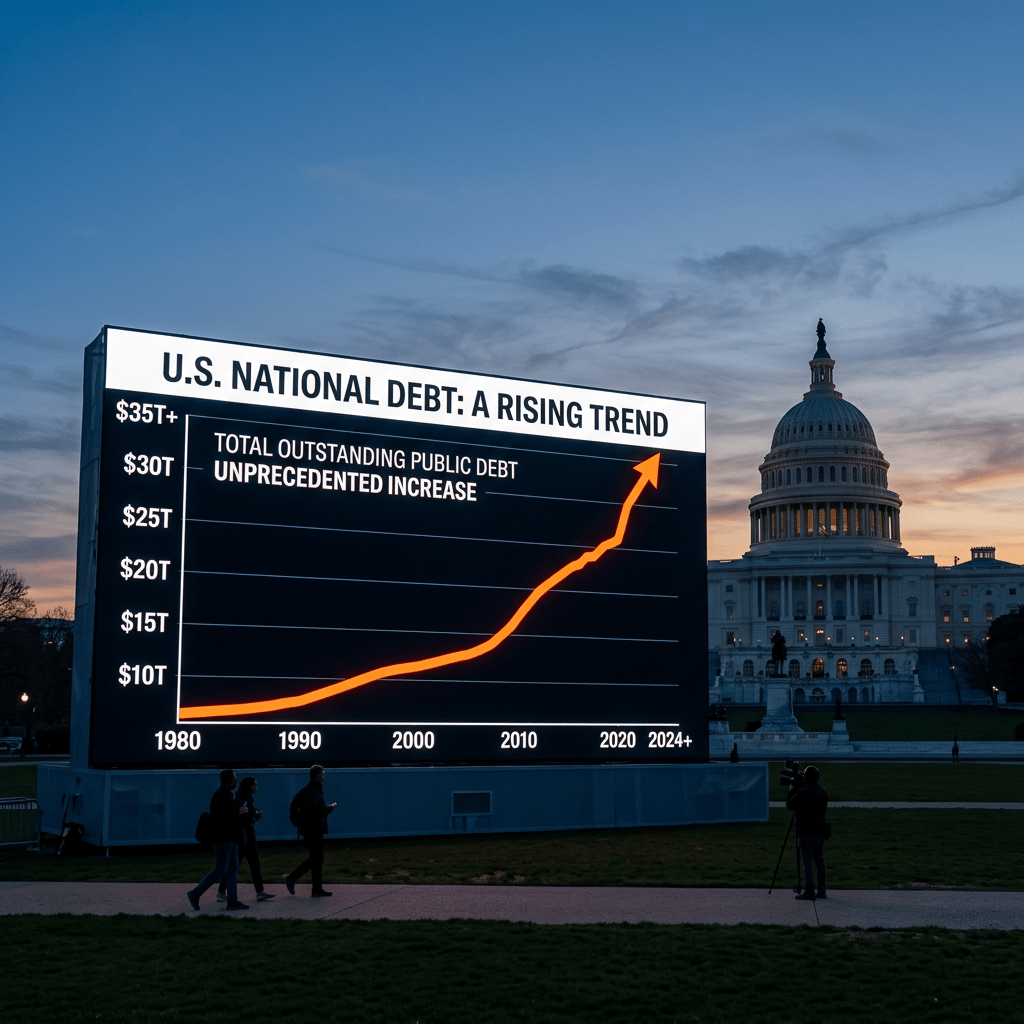
The U.S. National Debt: An Unstoppable Climb in 2026
As of mid-2026, the U.S. national debt has reached an astonishing $39.29 trillion, demonstrating a trend that has raised concerns among economists, policymakers, and the general public alike. This rapid increase shows no signs of abating despite ongoing criticism regarding excessive government spending. Understanding the implications of this growing debt is vital for all American citizens.
What Contributes to the National Debt?
The national debt is the total amount of money that the government owes to creditors. This debt can be divided into two main categories:
- Public Debt: This includes money borrowed from the public through the issuance of Treasury securities.
- Intragovernmental Holdings: This part of the debt consists of funds borrowed from various government accounts, such as Social Security and Medicare trust funds.
A significant driver of the national debt is government spending that exceeds revenue. Over the years, substantial expenditures on social programs, military operations, and infrastructure projects have contributed to this soaring figure. Many ongoing initiatives aimed at economic recovery and public service enhancements continue to inflate the debt further, raising eyebrows and sparking debates about fiscal responsibility.
Implications for American Citizens
The national debt is not merely a statistic; it has real consequences for American taxpayers. Every citizen indirectly contributes to the debt, and its increasing magnitude can affect various aspects of everyday life, such as:
- Interest Rates: As debt rises, the government may require higher interest rates to attract buyers for its debt securities. This could lead to increased borrowing costs for individuals and businesses, affecting everything from mortgages to personal loans.
- Social Services: A significant portion of the national budget is allocated to servicing this debt. Reduced fiscal flexibility might affect funding for critical social services, education, and public infrastructure projects, which are vital for long-term national growth.
- Future Generations: An escalating national debt could impose a considerable financial burden on future generations, necessitating higher taxes or reduced public services to manage repayment.
The Role of Fiscal Policy
The increasing debt has triggered a need for robust discussions about fiscal policy. Policymakers must weigh the importance of stimulating economic growth against the necessity for restraint in government spending. This conversation is paramount as the government decides on future expenditures and tax policies.
Engagement from constituents is vital. Citizens must stay informed about their country’s financial standing and advocate for transparent and responsible financial management. Meaningful discourse surrounding debt reduction strategies, potential reforms, and sustainable fiscal policies can influence the trajectory of national debt.
Conclusion
The U.S. national debt continues to climb at an unprecedented rate, with no immediate signs of slowing down in 2026. As Americans, understanding the implications of this growing debt and its impact on the economy is crucial. Engaging in discussions about government spending and fiscal policies can lead to a more responsible approach towards managing the nation’s financial challenges. By advocating for awareness and accountability, citizens can play a pivotal role in shaping a sustainable economic future.
Read more via Fox Business
 Media Air Base, LLC
Leave a comment