SpaceX will not raise money from investors in China and Hong Kong. Others firms, like OpenAI, may follow suit.
Posted June 12, 2026 1:00PM ET
As the landscape of artificial intelligence continues to evolve, a significant shift is occurring with some leading A.I. firms preparing to go public. However, a notable trend is emerging: China’s prominent role in the global A.I. sector may be diminishing.
Several Chinese tech giants have historically been at the forefront of A.I. advancements, benefiting from vast amounts of data and government support. Yet, as markets open up to new developments and regulatory environments tighten, opportunities for these companies to access international public funding appear to be narrowing.
This shift not only impacts China’s A.I. aspirations but also raises questions about the future of A.I. innovation and collaboration on a global scale. As firms in other countries capitalize on their public offerings, the dynamics of international cooperation in A.I. could face significant hurdles, highlighting the growing divide in this rapidly advancing sector.
With the A.I. industry’s potential at stake, stakeholders will need to closely monitor these developments to understand the implications for the future of technology and international relations in the A.I. sphere.
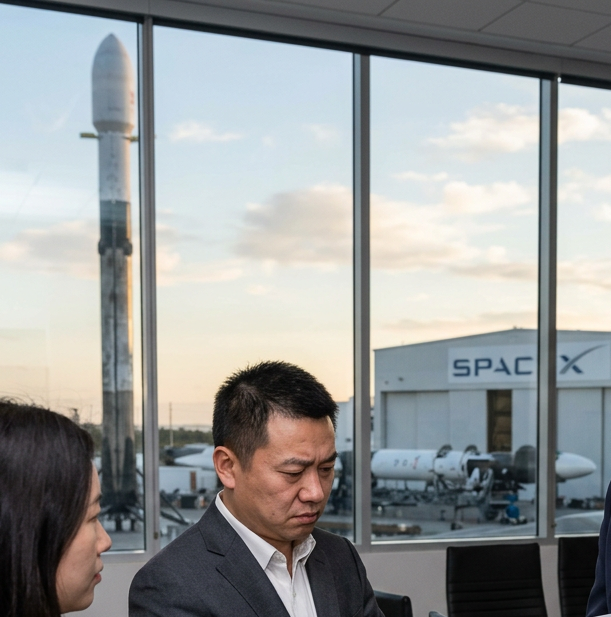
SpaceX Will Not Raise Money from Investors in China and Hong Kong
As of June 12, 2026, a significant decision has been made by SpaceX regarding its future funding strategies. The company has announced that it will not seek investments from entities based in China and Hong Kong. This move comes amidst a changing landscape in the artificial intelligence sector, with other prominent companies, including OpenAI, likely to follow suit.
Context of the Decision
The world of artificial intelligence is rapidly evolving, with many leading firms poised to go public. Historically, Chinese technology companies have been seen as champions of A.I. advancements, leveraging abundant data resources and favorable governmental policies. However, recent changes in the regulatory landscape and the global financial environment are leading to a reevaluation of business partnerships with Chinese investors.
The Declining Role of China in Global A.I.
China’s once-prominent position in the A.I. sector seems to be waning as opportunities for investment tighten. Issues of international compliance and regulatory scrutiny have made it increasingly challenging for Chinese firms to access Western capital markets. This trend is not only limiting China’s growth potential in the A.I. field but also raising broader questions about the collaborative future of A.I. across borders.
Implications for A.I. Innovation
The withdrawal of SpaceX from seeking funding in these regions is indicative of a larger shift within the industry, fostering an environment where countries are becoming more cautious about foreign investments. As businesses globally embrace different approaches to public offerings, the ramifications could stretch beyond individual firm strategies to impact global cooperation in technology development.
The Bigger Picture
The decision by SpaceX may be one of many similar choices made by other technology firms looking to navigate the complexities of international relations and investment. As stakeholders in the A.I. sector monitor these developments, it is crucial to understand how such shifts could alter the course of technological innovation and international partnerships moving forward.
In Conclusion
SpaceX’s stance against raising funds from Chinese and Hong Kong investors marks a pivotal moment in the global A.I. landscape. With the potential for similar moves from other major firms, the industry may find itself at a crossroads, necessitating new strategies for investment and collaboration in an increasingly fragmented market.
Read more via New York Times
 Media Air Base, LLC
Leave a comment