Treating speech like violence undermines a free society.
Posted June 2, 2026 3:28AM ET
The U.K. has recently been under scrutiny for its approach to free speech, sparking debates about the balance between public safety and individual rights. Critics argue that recent legislative efforts could undermine the fundamental principles of free expression by imposing stricter regulations on speech deemed harmful or offensive.
These measures aim to address the proliferation of hate speech and misinformation, particularly on social media platforms. Proponents believe that ensuring a safer online environment is essential in today’s digital age. However, detractors warn that these laws may lead to censorship and a chilling effect on open discourse.
As the U.K. navigates these complex issues, it faces the challenge of protecting its citizens from harmful speech while preserving the essential value of free speech. The outcome of this crackdown could set significant precedents for how free expression is defined and regulated not just in the U.K., but globally. The ongoing discussion emphasizes the delicate interplay between safety and liberty in a democratic society.
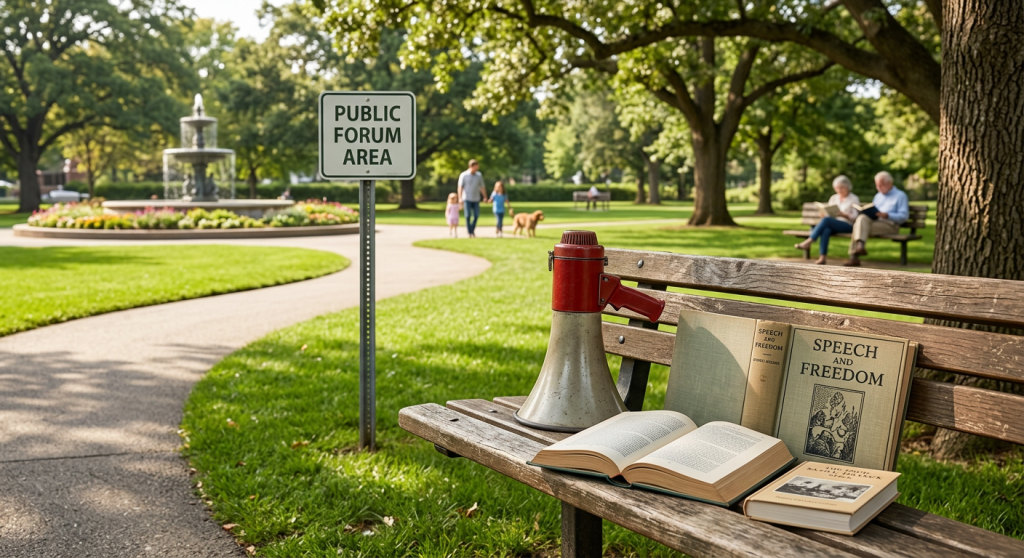
Treating Speech Like Violence Undermines a Free Society
In recent years, the U.K. has faced significant controversy regarding its approach to free speech, igniting vital discussions about the balance between public safety and individual rights. At the heart of this debate is the concern that treating certain speech as equivalent to violence could jeopardize the foundational principles of free expression that underpin a democratic society.
The Current Landscape
Legislative efforts in the U.K. have sought to impose stricter regulations on speech that is deemed harmful or offensive. These initiatives aim to combat the spread of hate speech and misinformation, particularly prevalent on social media platforms. Advocates for these measures argue that a safer online environment is necessary in the digital age, where harmful content can proliferate rapidly, potentially inciting real-world violence and discord.
The Dangers of Censorship
However, critics warn that equating speech with violence could lead to dangerous forms of censorship. When governments or institutions start regulating speech based on subjective criteria of what is considered “harmful,” it raises questions about who gets to decide what constitutes acceptable dialogue. This could foster a chilling effect on open discourse, where individuals become wary of expressing their opinions for fear of backlash or legal repercussions.
In a society where freedom of expression is valued, the ability to discuss diverse ideas—even those that may be offensive or unpopular—is crucial. Silencing voices can create an echo chamber, stifling innovation and depriving society of the vibrant exchange of ideas necessary for democratic progress.
Global Implications
As the U.K. grapples with these complex issues, the outcomes of its policies could set significant precedents for how free expression is defined and regulated not only within its borders but globally. Countries observing the U.K.’s legislative maneuvers may feel emboldened to adopt similar strategies, impacting international standards on free speech and personal liberties.
Finding the Balance
The challenge lies in finding a balance between protecting citizens from genuinely harmful speech and preserving the essential value of free expression. Public discourse must remain open and robust, allowing for the contestation of ideas and the ability to challenge hate speech without resorting to extreme regulations that could infringe on rights.
Conclusion
The ongoing discussion surrounding free speech in the U.K. emphasizes the delicate interplay between safety and liberty in a democratic society. It is crucial for citizens and lawmakers alike to reflect on the implications of treating speech like violence. Upholding the principles of free expression while addressing harmful behavior requires a nuanced approach that safeguards individual rights without sacrificing the core values that define a free society.
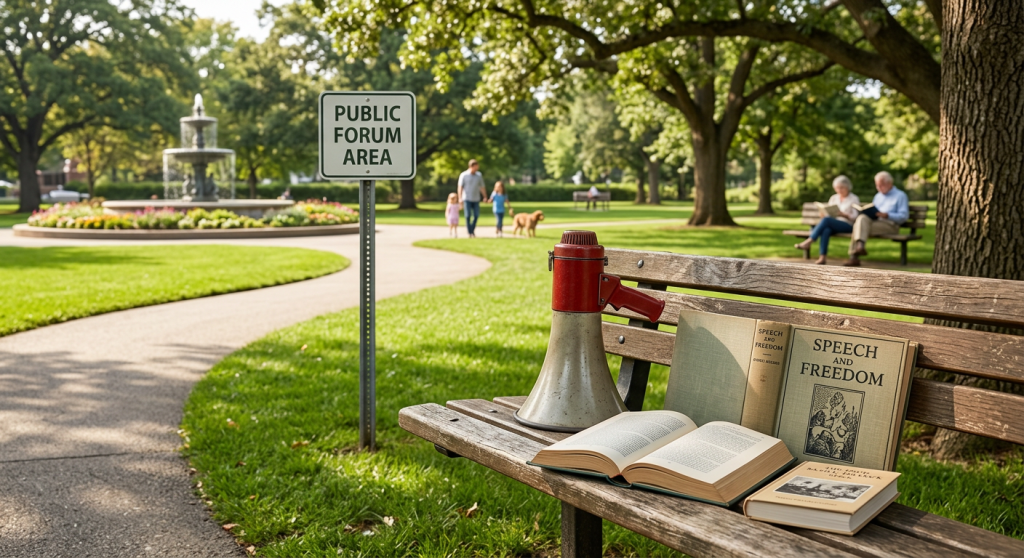
Books on speech and freedom alongside a megaphone on a park bench in a public forum area.
Read more via Washington Post
 Media Press Entertainment
Leave a comment