Energy inflation tied to the war in Iran has lasted longer than expected, creating a “stagflationary shock” for Asian economies, Chicago Federal Reserve President Austan Goolsbee said Thursday.
Posted June 2, 2026 4:30AM ET
Energy inflation has emerged as a more enduring challenge than many analysts had anticipated, according to a recent statement by the Federal Reserve’s Goolsbee in an interview with CNBC. As the global economy continues to navigate various uncertainties, the persistence of energy inflation is giving policymakers and market watchers pause.
The implications of sustained energy inflation reach far beyond consumer prices at the pump. Higher energy costs can ripple through the economy, impacting everything from transportation to manufacturing, thereby influencing overall economic growth. Goolsbee’s comments highlight the crucial need for economic strategies that can adapt to these changing conditions.
As businesses and consumers alike feel the squeeze of rising energy prices, it becomes increasingly important for stakeholders to monitor these trends closely. The Fed’s ongoing assessments will likely play a significant role in shaping monetary policy decisions, aiming to balance the dual mandate of fostering maximum employment while ensuring price stability.
Experts suggest that as we move forward, the key will be to remain vigilant about energy market dynamics and their potential long-term effects on the economy.
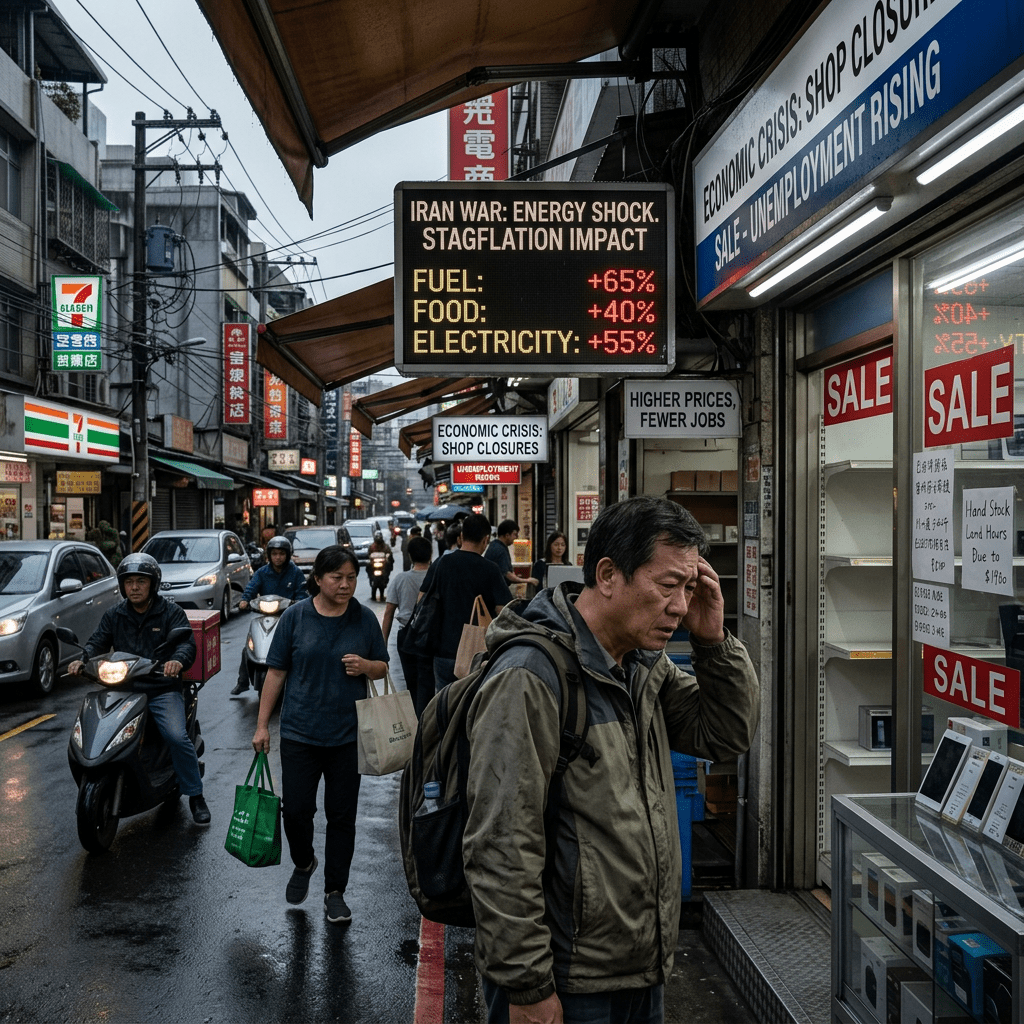
Energy Inflation and Its Impact on Asian Economies
Energy inflation has taken center stage in recent economic discussions, particularly in light of the ongoing conflict in Iran. According to Chicago Federal Reserve President Austan Goolsbee, this inflationary pressure has persisted longer than analysts had anticipated, resulting in what he describes as a “stagflationary shock” for Asian economies. Such insights underscore the complexity of the current global economic landscape and highlight the challenges faced by policymakers and market participants alike.
Overview of Energy Inflation
Energy inflation refers to the rising costs associated with energy sources, which have become increasingly pronounced due to geopolitical tensions, including the war in Iran. The disruption in energy supply chains and fluctuations in oil and natural gas prices have created a ripple effect across various sectors of the economy. Despite initial expectations that these price increases would be temporary, Goolsbee’s comments reflect a more prolonged situation, prompting a reassessment of economic forecasts.
The Implications for Asian Economies
The implications of sustained energy inflation are multifaceted. Higher energy costs are not merely limited to the price consumers see at the pump; they extend to essential sectors such as transportation, manufacturing, and even food production. These rising costs can significantly hamper economic growth, particularly in Asian economies that are reliant on energy imports.
As Goolsbee points out, the persistence of energy inflation is a critical concern for policymakers. The dual mandate of the Federal Reserve—to foster maximum employment while ensuring price stability—has become increasingly challenging in this context. The pressure on Asian markets could potentially lead to lower consumer spending, gradual increases in unemployment, and slowdowns in economic activity, all hallmarks of stagflation.
Navigating Economic Challenges
In response to these challenges, businesses and consumers must remain alert to the broader economic trends and dynamics at play. It is essential for stakeholders, including governments and central banks, to develop adaptive economic strategies that can mitigate the adverse effects of sustained energy inflation. This includes potential interventions to stabilize prices and stimulate growth while balancing the needs of the labor market.
Looking Ahead
As experts evaluate the ongoing energy market dynamics, there is a growing consensus on the importance of vigilance and adaptability. The long-term effects of energy inflation are likely to shape economic policies and strategies moving forward. Policymakers will need to consider innovative solutions that promote resilience in the face of energy price volatility while aiming to protect consumers and businesses from the worst impacts of stagflation.
As shoppers navigate busy streets under signs warning of economic hardship, it becomes evident that energy inflation is a significant factor influencing the everyday lives of people across Asia. Staying informed and responsive to these developments will be crucial as the global economy strives for stability in uncertain times.
Read more via CNBC
 Media Press Entertainment
Leave a comment