Energy inflation tied to the war in Iran has lasted longer than expected, creating a “stagflationary shock” for Asian economies, Chicago Federal Reserve President Austan Goolsbee said Thursday.
Posted June 1, 2026 5:08AM ET
Energy inflation has been a significant topic of discussion as it has proven to be more persistent than initially anticipated. Austan Goolsbee, President of the Federal Reserve Bank of Chicago, shared insights during an interview with CNBC, shedding light on the ongoing challenges that inflation in energy prices poses to the economy.
Despite various efforts from policymakers to stabilize prices and curb inflationary pressures, the energy sector continues to face volatility. This unpredictability not only impacts consumer spending but also affects broader economic indicators, making it a critical area to monitor moving forward. Stakeholders across industries must remain vigilant as persistent energy inflation could influence monetary policy decisions and overall economic health.
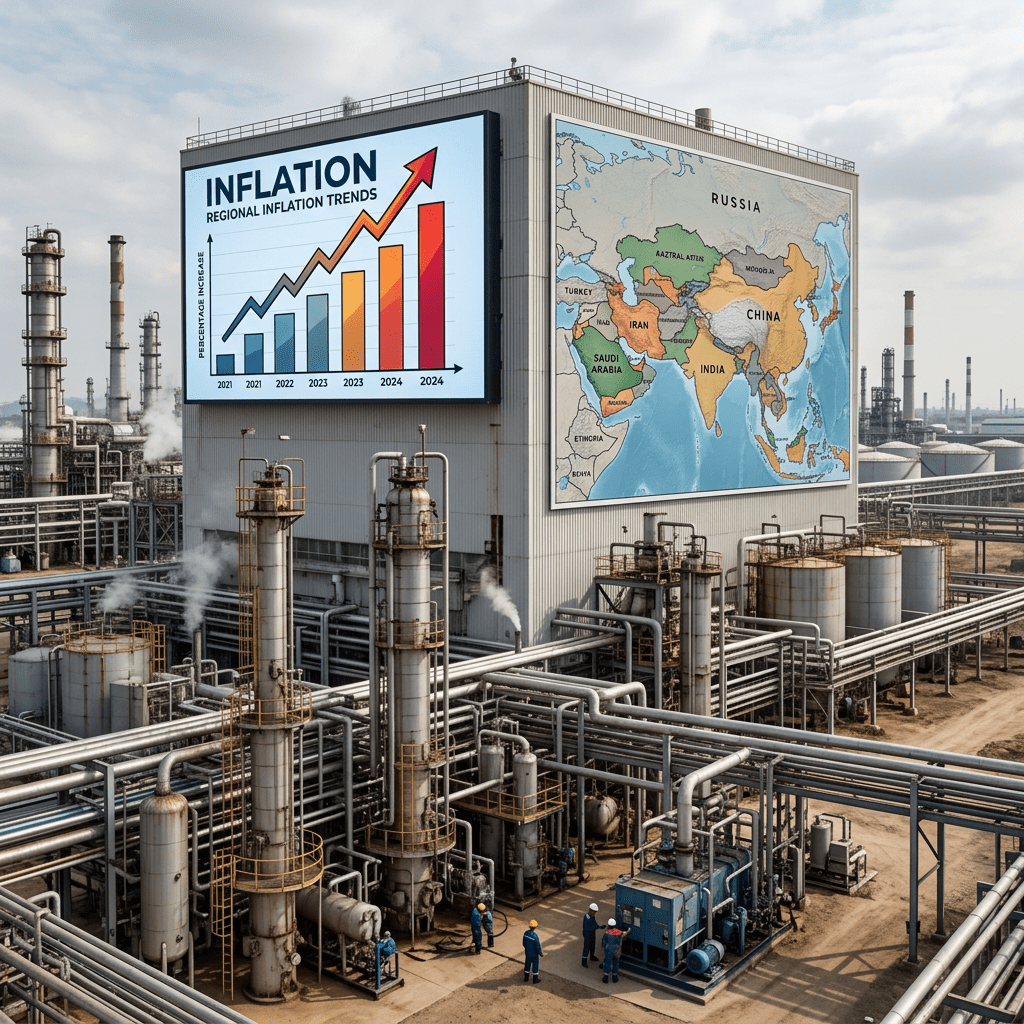
Energy Inflation and its Impact on Asian Economies
On June 1, 2026, Austan Goolsbee, the President of the Federal Reserve Bank of Chicago, addressed the persistent problem of energy inflation during an interview with CNBC. This inflation, which has been closely linked to the ongoing conflict in Iran, has not only persisted longer than anticipated but has also created what Goolsbee referred to as a “stagflationary shock” for economies across Asia.
Understanding Energy Inflation
Energy inflation refers to the rising prices of energy resources, including oil, natural gas, and electricity. In recent years, geopolitical events, particularly conflicts such as the war in Iran, have significantly impacted the stability of energy prices. Such conflicts often lead to supply disruptions, resulting in higher costs for energy consumers and industries alike.
Goolsbee highlighted that despite various measures undertaken by policymakers to stabilize these prices, the energy sector has remained notoriously volatile. This instability has lasting effects, leading to increased operational costs across multiple sectors, which in turn affects consumer spending and broader economic health.
The Stagflationary Shock
The term “stagflation” describes an economic condition where inflation rates are high while economic growth stagnates. In this context, Asian economies are experiencing rising prices alongside slow growth, creating a challenging environment for businesses and consumers alike. As inflation rises, it erodes purchasing power, leading to decreased consumer spending, further contributing to economic stagnation.
Implications for Asian Economies
Asian economies have been particularly vulnerable to these changes due to their reliance on energy imports. The continued rise in energy prices could negatively influence monetary policy decisions across the region, as central banks may be forced to tighten monetary policy to combat inflation, potentially stalling growth further.
Businesses operating in energy-intensive industries may struggle to maintain profitability as operational costs climb. Additionally, the unpredictability of energy prices can impact investment decisions, possibly stifacing innovation and expansion within affected sectors.
The Path Forward
As stakeholders monitor the situation, it becomes evident that the ramifications of energy inflation extend beyond mere price increases. It calls for strategic interventions from policymakers and industry leaders to mitigate potential negative impacts.
Efforts could include diversifying energy sources, investing in renewable energy technologies, and implementing measures aimed at leveling the volatility in energy markets. By addressing these challenges head-on, economies across Asia may better navigate the complexities of energy inflation and work toward restoring economic stability.
In conclusion, the prolonged energy inflation linked to the war in Iran poses significant challenges for Asian economies, necessitating a vigilant approach from all stakeholders to ensure economic resilience in these uncertain times.
Read more via CNBC
 Media Air Base, LLC
Leave a comment